The Christmas Do Is a Culture Audit in Tinsel
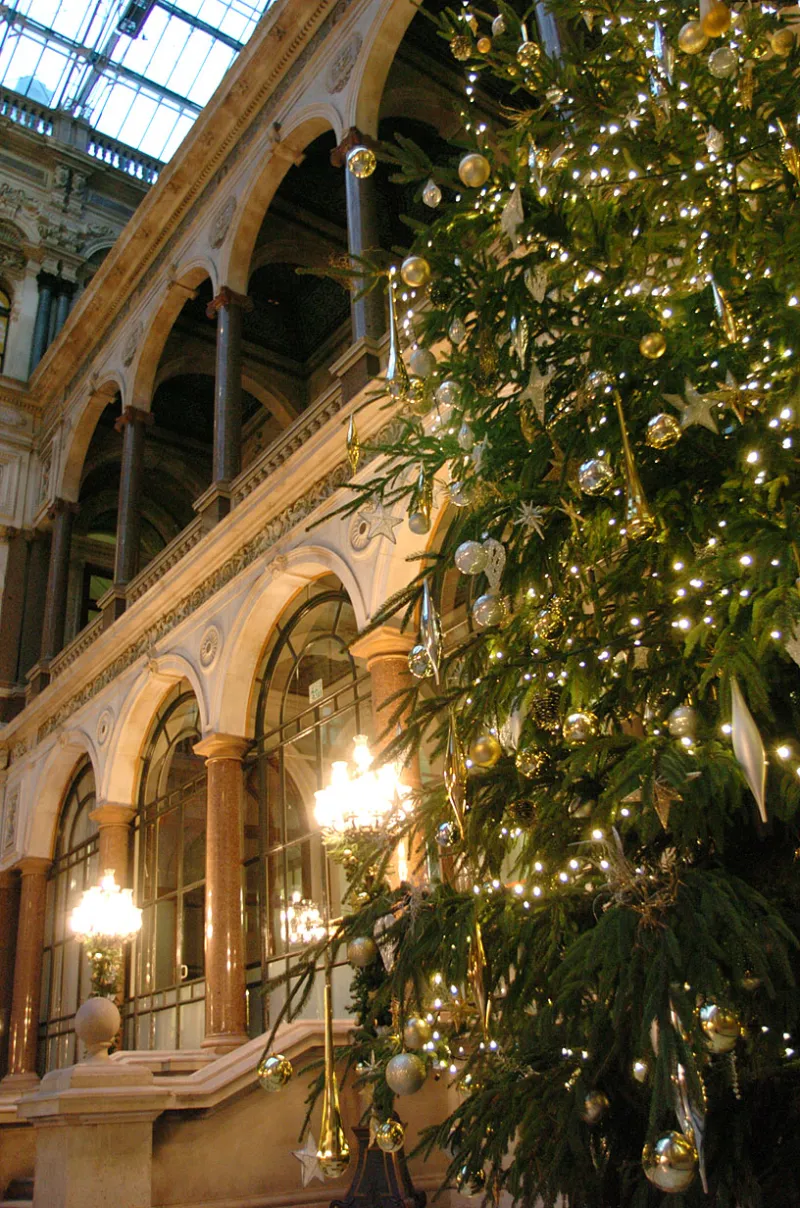
Photo: Foreign and Commonwealth Office, OGL v1.0, via Wikimedia Commons
The invitation arrives in November with a festive font and a vague promise of ‘fun’. There’s a venue, a time, maybe a link to a menu, and the phrase ‘open bar’ doing a lot of emotional labour. As the 2026 Christmas do season creeps up, it’s tempting to file the whole thing under work admin and simply turn up. But the office party is one of the clearest culture audits you’ll get all year. It shows you how your employer handles alcohol, money, consent, inclusion and the blurry boundary between colleague and friend. It also shows you something about yourself.
None of this means you need to be the office killjoy. You can love a mince pie, wear the ridiculous jumper and stay for the dancing. A values-led approach isn’t about opting out of joy. It’s about deciding, in advance, what kind of colleague you want to be when the prosecco is free and the lighting is low.
Read the invitation like a policy document
Most Christmas do invites are charmingly vague. Is it paid time? Are plus-ones welcome? Is there a sit-down meal or a buffet you’ll need to eat standing up in heels? What’s the Secret Santa cap, and is the after-party officially organised or just a rumour that gathers momentum near the loos?
Ask. Not because you’re being difficult, but because you’re an adult with a budget, a commute and a social battery that isn’t infinite. A quick message to the organiser — ‘Just checking the Secret Santa limit and whether people are staying on afterwards?’ — is not joyless. It’s the same energy as checking the dress code. It helps you say yes to the bits you can do well and no to the bits that would leave you resentful.
The open bar is not a personality test
UK work culture has a particular reflex around drinking. Not drinking can be treated as a comment on everyone else, as if your lime and soda is secretly a memo about their Pinot Grigio. It isn’t. You don’t owe anyone a drink, a reason or a medical disclosure. ‘I’m on the soft stuff tonight’ is enough. So is ‘I’ve got an early start tomorrow.’ If you’re driving, say so. If you’re not driving, you still don’t need an excuse.
Watch what happens to the people who decline. Are they teased? Are they pressured? Does the managing director make a joke that everyone laughs at but nobody enjoys? A workplace that can’t cope with a sober colleague at a party has a bigger problem than your glass. And if you’re the one holding the bottle, remember that topping someone up isn’t hospitality. It’s pressure with a bow on it.
Secret Santa and the myth of the £10 gift
A £10 limit is a suggestion, not a binding contract. Every office has someone who turns up with a personalised hamper and someone who has panic-bought a candle from the petrol station. Both are fine. What isn’t fine is the slow creep of spend, the passive-aggressive wishlist, or the assumption that everyone can afford to join in.
You can opt out gracefully: ‘I’m sitting this one out this year, but I’ll happily chip in for the collection.’ You can suggest a charity donation instead of a gift. You can buy something small, useful and within budget. And if someone spends more than you, smile and move on. Generosity isn’t a competition, and a Christmas do shouldn’t become a status auction with tinsel.
‘Banter’ is a conduct risk with a paper trail
Work Christmas parties are still work-adjacent. UK employers can be liable for harassment and discrimination at work-related events, and the after-party doesn’t magically exist in a legal vacuum. More importantly, the joke that lands at 10pm may read very differently in a screenshot on Monday morning.
You don’t have to deliver a lecture from the dance floor. You can change the subject. You can say, ‘Let’s not’ and then ask someone about the quiz. You can check in with the person on the receiving end. If you’re a manager, your job is not to be the most fun person in the room. It’s to notice when fun is being had at someone else’s expense and to act like a grown-up. That’s not killjoy behaviour. That’s basic care.
The after-party is optional
There’s always a rumour of a second venue. The ‘real’ party. The bit where careers are supposedly made. In reality, it’s usually a few people in a pub getting steadily less coherent while everyone else gets the last train home. You are allowed to leave when you said you would. You are allowed to leave earlier. You are allowed to go home and watch something with subtitles.
Decide your exit time before you go. Book your taxi or know your last train. Tell a colleague your plan if you want backup. ‘I’m getting chips’ is a complete sentence. So is ‘I’m off — have a lovely time.’ No one worth knowing will hold it against you.
What the morning after tells you
Once the tinsel is down, do a quiet audit. Who was pressured to drink? Did leaders stay sober enough to notice? Was the Secret Santa inclusive or quietly expensive? Were photos posted without consent? Did anyone clean up, or did the party rely on the same two people to tidy while everyone else vanished? Were non-drinkers, carers, disabled colleagues and people of different faiths considered in the planning?
One awkward night isn’t a reason to resign. But a pattern is information. If the Christmas do consistently reveals a culture that rewards bravado, ignores boundaries and treats ‘banter’ as a shield, log it alongside the other evidence you’re collecting about whether this employer deserves your values.
A pre-party values check
- Set a spend ceiling, including taxi and Secret Santa.
- Choose your drink plan, even if that plan is ‘one then soda’.
- Pick an exit time and a way home before you arrive.
- Decide your gift line: in, out or charity donation.
- Agree photo boundaries with yourself: consent before posting.
- Pick one conversational boundary you’ll keep, like no work gossip after 11pm.
- Have a colleague you can check in with if the room gets too much.
You can enjoy this. Joy is allowed. Fun isn’t the opposite of values; it’s part of a healthy working life. The best Christmas dos are the ones where people can be themselves — sober or not, flush or skint, first to arrive or gone by 9pm. Mistletoe isn’t a policy; consent is. Tinsel isn’t a values statement; how people treat each other is. See you by the buffet.